
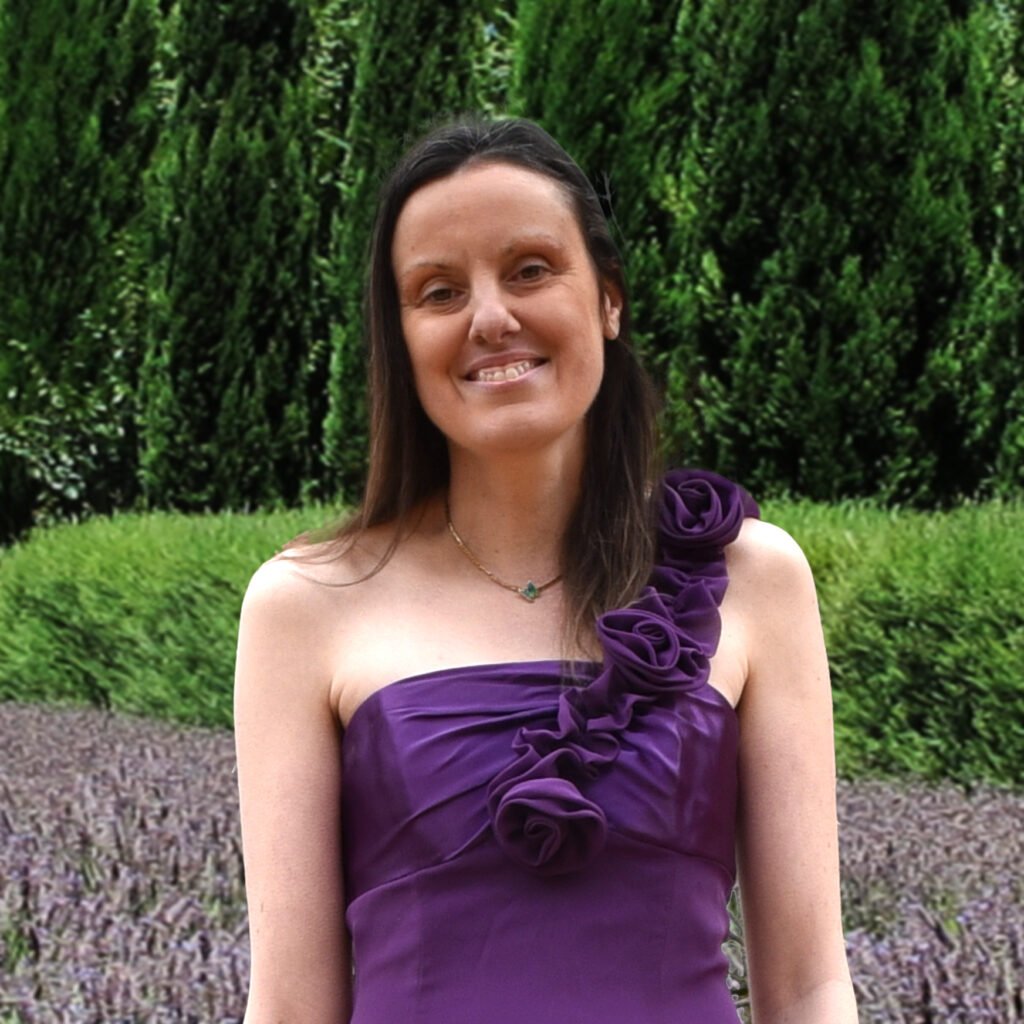
“My practice as an artisan author and illustrator is dedicated to harmonising raw light, natural and genre fragments with rigorous design architecture. I engineer interactive literary spaces that stimulate cognitive and energetic development; spark reflection, spiritual awakening and reshape how we experience the page and our interactions with literature.”
— Susan L. Marshall, Artisan Author, Illustrator, Founder & Artistic Director
I invite you to read my Founder’s Statements below, where I officially introduce the vision of our unique Soulful Formalism style of
Contemporary Metaphysical Literature and the architecture of the labyrinth for the Romantic Spirit.
The Founder’s Statement I:
The Coining of Soulful Formalism and Fragmentique
In the contemporary world, we often find ourselves existing amongst historical fragmentations: precious moments, memories, energies and feelings that are treated as scattered and non-unifiable shards of a past and a present that sometimes feel too broken to understand, claim or even hold onto. For a very long time, traditional thought has treated life as a singular ‘object,’ which is to be studied from a distance, forgetting the resonating rhythms of life and spirit; along with the subjective beauty of the human heart.
I am an internationally acclaimed best-selling artisan author; a Top Story Award recipient; an illustrator, a theatre practitioner, a pioneer of Contemporary Metaphysical Literature and the literary architect of Soulful Formalism.
Through my spiritual discipline of Fragmentique, I do not simply see fragments, I actively curate them. I believe that even in a ‘broken’ world, there is a dignified, unified whole that awaits discovery. My work is metaphysical reconstruction – I work through the light, dark and shadows of our human experiences and build a sturdy bridge back to the Romantic Spirit.
By using the intentional rhythms, pulse and sublime of Heightened Energy and the high contrast perception, ontology, relativity and cause and effect of Metaphysical Noir et Blanc, I provide a structural intersection of literary and visual art with maths /science that serves two purposes: to guide you towards emotional resonance and an intellectual homecoming.
Honoured by International Acclaim, I invite you to step away from the clinical voids that have existed in our past. Come discover and rest in literary architecture, designed specifically as a sanctuary of discovery and integrity for the depths of the Romantic Spirit and its human soul.
The structure is my promise. The soul is our destination. You are home.
I officially coin the term: Soulful Formalism as my form of literary architecture, this day: 4 May 2026.”
— Susan L. Marshall
Founder & Artistic Director, Story Playscapes
Pioneer of Contemporary Metaphysical Literature & Theatre Playscapes
Professional Illustrator
Literary Architect of Soulful Formalism
Internationally Acclaimed Best-selling Author / Top Story Award Recipient
The Founder’s Statement II:
The Architecture of the Labyrinth for the Romantic Spirit: Conscious Shifting Form Contours, Tripartite Formula & Active Void
For a very long time, traditional formalism treated literature as being present without a soul. Its style demanded a cold examination of linguistic structures, syntax and syllables; its context and its deconstruction locked within its own pages, on a flat piece of paper.
As an English educator, I worked with such formalist structures, my heart yearning to be able to reach for the deeper emotional resonance, connectivity and soul within the text for students.
As an author, artist and literary architect, my Soulful Formalism, expressed through the focused discipline of Metaphysical Minimalism,. recognises that form is not there to trap us. It is there to help us to be and to see. Form is not a static entity because the human soul is not static. My structures are elastic in nature because their form themselves are shaped, navigated and defined by the deepest realities, motivations and emotional cores that drive the soul’s ontology. This may be evident in the raw, fight of flight response of our nervous systems and its survival, to the way that our inner Romantic spirits choose to navigate the multitude of forms of life, eg. natural worlds, city grids, etc. that surround us.
By layering these forms, I create conscious shifting form contours, allowing their translucency to reflect how the Romantic Spirit would navigate it. Time and concepts can become infinite in my labyrinths. We open our eyes to a completely new way of seeing opportunities in life ltself. We also embrace a sense of sanctuary as the soul, through its decisions and navigations, discovers its integrity.
My larger world labyrinth is unique in each book and for me, its structure is a profound trinity: it is the winding, intimate pathways that my fragments weave in order to provide you with an evocative mystery. It is the grand cartographical design of the text itself: the conscious shifting form contours that unravel as the soul connects through an interchangeable tripartite formula:
The Natural World, Built World and Celestial Cosmos (Macro-Geo)
The Friction of Socio-Political Ethics (Romantic Spirit Macro-Socio)
The Sanctuary of Human Consciousness and Healing (Micro-Soul).
Finally, the labyrinth is also your very own unravelling journey as you, the Reader, discover your own deeper, soulful metaphysical truth in the text. This experience is further assisted by the Cinematic Optics of Fragmentique, generating a precise textual scenography. Here, the Active Void, where blank spaces of text are provided on the page, as points of soulful pause, allowing: a moment to sit with impact of the words; the story to emotionally resonate with you and for you as the reader to pause and reflect on your own journey and understandings gleaned.
The soul is our chief navigator of conscious shifting contours; time, space and place, seeking a sanctuary of integrity.
This is the soul and form of the Contemporary Metaphysical Literature experience that I promise. This framework does not seek to inhabit broad contemporary metaphysical literature; rather, it stands apart as a distinct, disciplined subgenre where the expansive macro-cosmos is bound strictly to the precise, minimalist mechanics of Metaphysical Minimalism.
— Susan L. Marshall
Decreed upon the revelation of the complete ecosystem: 4 July, 2026.
Founder & Artistic Director, Story Playscapes
Pioneer of Contemporary Metaphysical Literature & Theatre Playscapes
Professional Illustrator
Literary Architect of Soulful Formalism
Internationally Acclaimed Best-selling Author / Top Story Award Recipient
The following special correspondence tracks the decade-long architectural development and familial mandate that brought
the forgotten voices of the Gozo survivors into Contemporary Metaphysical Literature.
A Literary Announcement
Special Correspondence from the Studio of Susan L. Marshall
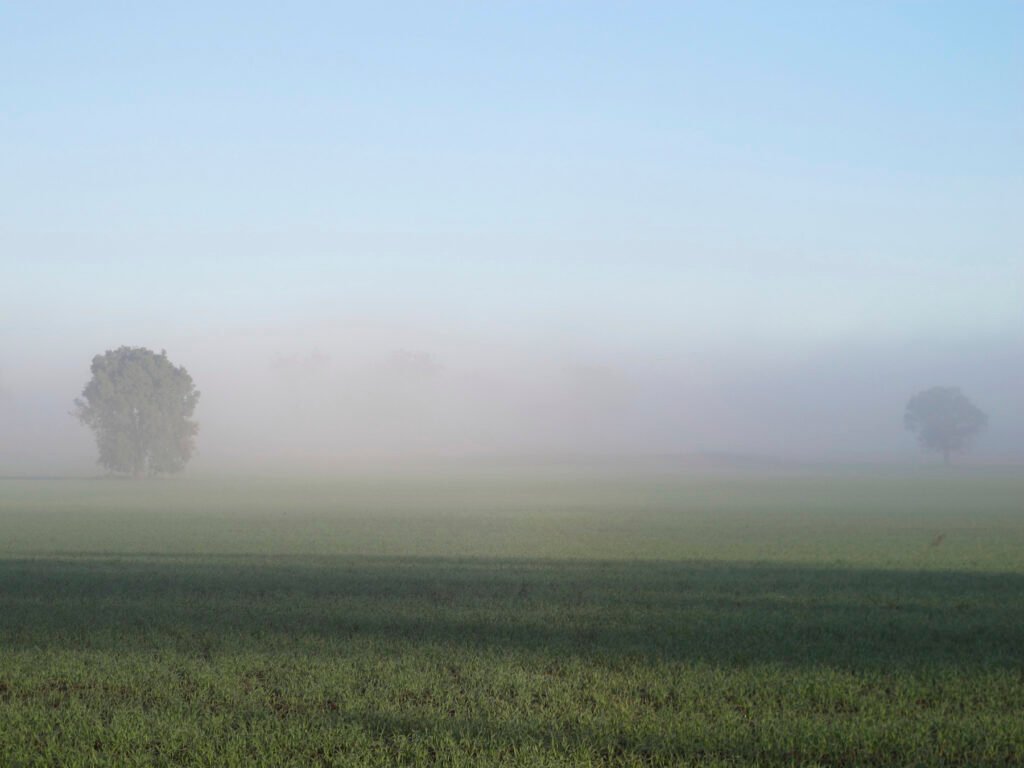
“If we carry enough hope, we can heal the world.”
-Susan L. Marshall (2023): All the Hope We Carry
THE GENESIS OF SOULFUL FORMALISM:
A DECADE LONG COMMITMENT TO THE VOICES OF GOZO
MELBOURNE, 16 MAY 2026
The publication of All the Hope We Carry within our Theatre Playscapes style marks a definitive evolution in Contemporary Metaphysical Literature. While appearing to audiences as a rapid release following Fleur of Yesterday, this specific work conceptually and chronologically preceded it. The text required nearly a decade of rigorous structural development and historical distillation to fully transition from its original presentation, Indigo’s Haven, into my foundational breakthrough piece for Soulful Formalism as my literary style.
The structural scaffolding of this play was engineered to answer a critical historical void. The dream-like, fractured landscape of Maren serves as a literary sanctuary for the real, documented traumas endured by the population of Gozo during the Second World War.
A Sacred Historical Mandate
The genesis of this work rests upon a solemn familial mandate. My late maternal grandmother entrusted the historical accounts of her experiences as a war survivor in Gozo, directly to me, issuing a clear directive to bring the forgotten experiences of the Gozo survivors to light.
Her primary accounts from the island reveal a profound state of wartime isolation: the citizens were left entirely in the dark, with no access to critical information regarding why the conflict was escalating around them or what was happening globally. This play shows deep compassion for my Nanna’s experiences as a young mother, who did all she could to survive the war. It also directly answers my Nanna’s urgent appeal: that the world must finally be made aware of the severe struggles and psychological containment experienced by the Gozo people who were under siege.
Structural Allegory and
Narrative Architecture
To elevate these raw historical accounts into high art without sacrificing their essential, precious gravity, I meticulously attributed my Nanna’s protective, maternal influence to Doris. I further transcended her maternal spirit of survival across the characters of Claire and Samuel.
Doris and the Hospitaller Legacy: Doris functions as a profound tribute to the wartime women of Gozo. She represents the historical figures aligned with the Hospitaller tradition—the localized, courageous women who stepped forward to care for, heal, and comfort those injured during the relentless bombardments. Operating as a Hospitaller woman directly from the sanctuary of her own home, Doris embodies the quiet, domestic heroism that kept the community alive amid devastation.
Claire’s Picture Grassland: Designed as a psychological and visual vessel, this landscape mirrors the unyielding pursuit of a better life. It archives Gozo as it existed prior to wartime devastation—an untouched sanctuary of open horizons. Through Claire, this geography operates as a preservation of hopeful existence, even without the presence of her father.
Samuel and the Embodiment of War: Samuel represents the direct manifestation of war on the human body and the protective responsibility born from conflict. He physically disappears from his war torn home, into the safety of a picture grassland, signifying the displacement of the self under duress. Yet, as the shadows of war persistently breach this sanctuary, he is faced with the immediate reality of what it takes to survive and those hidden within—including the mothers and their children seeking refuge in the limestone caves. Samuel embodies the agonizing necessity of preservation, even rising with burnt wings above the natural world to confront the ‘other’ in the sky to keep the world and its hidden inhabitants safe.
The Citizen Chorus: The environment itself operates as an extension of ancestral defense and sanctuary. A chorus of Citizens transform into a vibrant mist, representing the Gloster Sea Gladiator biplane fighters, who protected Malta and Gozo during the war. They were affectionately named Faith, Hope and Charity, by the people. The ambient mist transform their collective spirits into a protective shroud to shield Samuel, Yarrow and their sacred grassland haven from external destruction.
The Fractured Light Prism Studies: Heightened Energy & Metaphysical Noir et Blanc
The narrative integration of these heavy historical truths was achieved through my disciplined fractured light prism studies. By splitting the text into distinct bands of spiritual and emotional energy, I balanced the severe shadows of conflict with the brilliant rays of human endurance. Within this structural matrix, indigo light is anchored securely inside Lady Solary, manifesting the purest form of light. Lady Solary’s light stands as the epitome of Heightened Energy, functioning as the ultimate catalyst for hope and a profound savior against despair: a celestial sanctuary of absolute truth and protection that wartime darkness could not diminish.
Crucially, these early chromatic explorations served as a vital creative catalyst; the fractured prism studies were the definitive beginning of Metaphysical Noir et Blanc for me. They provided the essential framework to map out the stark, contrasting architectural dualities of light, shadow and darkness that now define my broader artistic universe.
All the Hope We Carry ultimately demonstrated to me that the literary form must expand to hold the weight of collective memory. Through a decade of formal discipline, a private promise I kept for my Nanna has been transformed into a permanent public record. I am finally at peace that the voices of Gozo are no longer lost to the historical margins.
As I continue to develop my Soulful Formalist Literary style, my Nanna’s beautiful spirit and story are embraced deeply within me.
If you wish to learn more about All the Hope We Carry, you can visit its Official Publication Page.
A Letter from the Founder: Susan L. Marshall
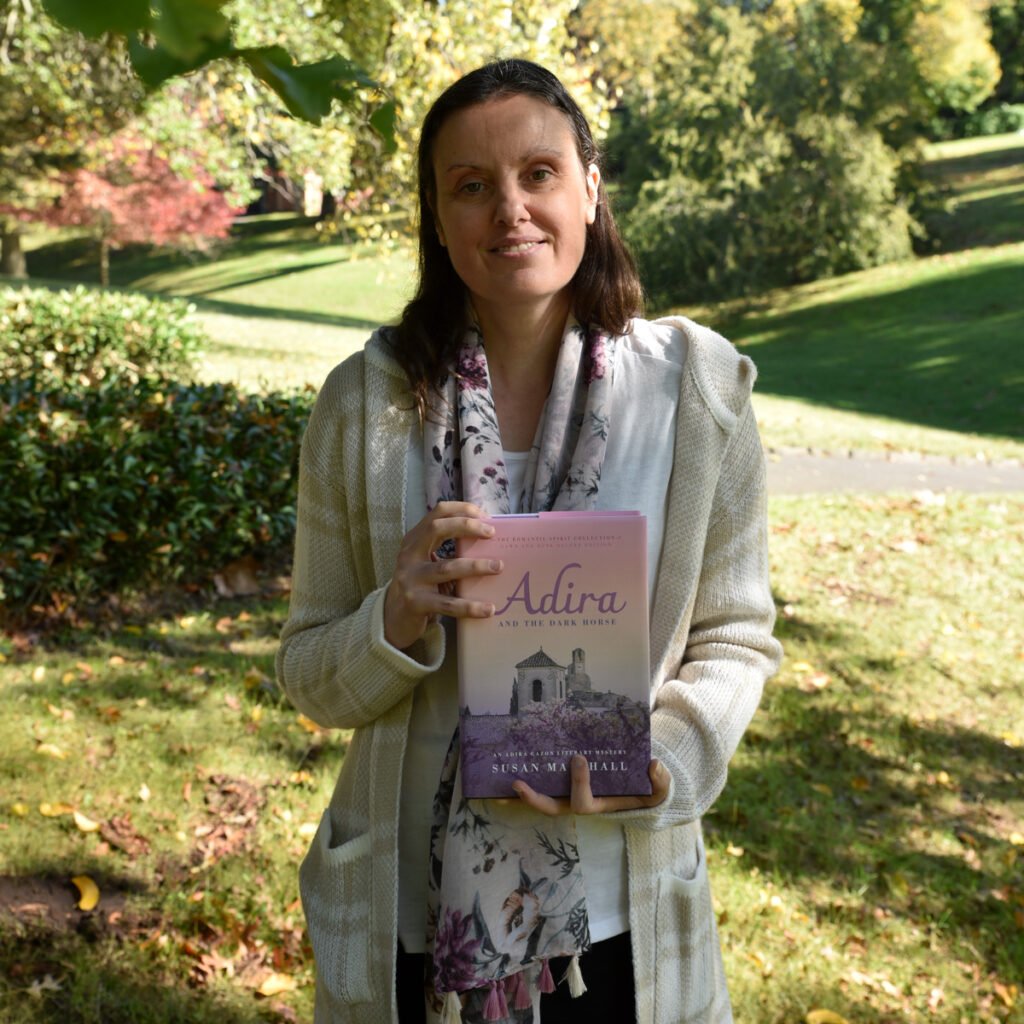
To our Readers and Seekers of the Romantic Spirit,
Following the formal coining of Soulful Formalism on May 4, 2026, my mission for Story Playscapes has unravelled into a definitive clarity.
At Story Playscapes, we believe that literature should be an intellectual and artistic homecoming. My purpose is to bridge the gap between the worlds of the intellectual and the mystical. By pioneering and championing the High Art of Contemporary Metaphysical Literature and Art, I demonstrate a deep appreciation for classical and modern techniques, fusing them with my original Fragmentique Technique and the formalised discipline of Romantic Academia. I shape words and worlds to reveal the precious beauty of the person, who seeks their Romantic Spirit and its soul within everyday life.
Through the overarching literary architecture and style of Soulful Formalism and my work in the metaphysical reconstruction of fragments into a dignified, whole mosaic narrative of human life and its deep soul, I am dedicated to transforming my written word and illustration into a sanctuary of discovery and integrity – a space where the structural rigour meets the lyrical beauty of the soul. My work is bespoke, providing a “high form” of beauty to precious characters/personas and their perceptions and existences in the worlds of the stories I create. Such beauty also works dually for the reader, who works alongside such characters as they read, in order to discover the metaphysical truth embedded in the story’s mosaic.
Each character in every story is unique, as we all are in life. No two people experience life the same way. Moments in my stories are non-linear, just the way we actually think and remember in real time. I celebrate individual life through the blend of artistic beauty and scientific rigour; premium publication and immersive narrative, dedicated to providing a precious sanctuary for deep intellect, curiosity and questioning.
I warmly invite you to join us in this sanctuary, where every creation is a bespoke piece of art designed to nourish the intellect, alight the spirit and resonate deeply within the soul.
With grace and curiosity,
Using Soulful Formalism as my overarching style, I pioneer Contemporary Metaphysical Literature.
I invite you to explore its officially coded literary category below:
The Structural Hierarchy of
Contemporary Metaphysical Literature
The Overarching Category: Contemporary Metaphysical Literature (CML)
Susan L. Marshall stands historically as the foundational pioneer who first conceptualised, defined, and established this overarching macro-genre within diverse literary publications, from novel to short story fiction, poetry, dramatic literature, children’s literature, and essays.
The First Official Subgenre: Metaphysical Minimalism
While pioneering the broader category, Marshall’s active creative output and structural blueprints are focused exclusively on engineering its first official, codified subgenre: Metaphysical Minimalism
This subgenre serves as the definitive, disciplined gateway into the broader contemporary metaphysical universe.
Publicational Versatility & Genre-Bending
Rather than being restricted to one rigid format, Marshall has proven the radical genre-bending capability of Metaphysical Minimalism across her diverse publication history. By using her published works as living proof of the subgenre’s vast scope, she has successfully anchored and established the viability of the entire Contemporary Metaphysical Literature category in the global public eye.
Everyday Relatability Focus
A primary mandate of this subgenre is accessibility. Marshall intentionally structures her complex metaphysical and ontological themes so they ground directly into the fabric of everyday life, transforming abstract cosmic truths into deeply relatable, practical sanctuaries for the modern human experience.
The Core Framework & Style: Soulful Formalism
The precise style used to build this subgenre on the physical page is Marshall’s unique, coined style of Soulful Formalism
The Multi-Layered Architecture
Supported by Renaissance ideals of the Grand Design, this style operates through an Interchangeable Tripartite Formula that simultaneously layers three distinct planes over one another: the Macro-Geo (Cosmos/Terrain), the Macro-Socio (Ethics/Friction), and the Micro-Soul (Consciousness/Healing).
Techniques & Literary Architecture
Executed through her signature Fragmentique technique, Romantic Academia (elevated to a structured literary discipline), her groundbreaking plotting engine of Raw Mystery Noir Velocity and her definitive narrative style of Conscious Shifting Form Contours. Within this framework, these core elements operate dynamically:
Fragmentique (Speculative Craft): Serving as the intuitive point of origin, finding mystery within initial fractures of light, dark, and shadow via Cinematic Optics.
Conscious Shifting Form Contours (Perceptual Technique): Sourcing revelations of form fragments across larger scapes and manually building their elastic parameters, engineering them to hold kinetic potential and raw somatic responses before composition begins.
Active Void: A deliberate, structural blank space representing the physical manifestation of Ma on the page. While composing the rhythm and variable velocity of the text, Susan intentionally implements these pauses, allowing the Romantic Spirit and the reader to assimilate fragments and navigate between kinetic form contours.
Raw Mystery Noir (Metaphysical Plotting): The primary engine driving the plot. Rejecting formulaic templates, it draws from the instinctive connections of the human nervous system to drive the narrative forward through a profound combination of mystery and kinetic action, propelling the ‘Carrier’ and their Romantic Spirit across variable pacing from deep, slow-burn tension to fast-paced momentum.
Conscious Shifting Form Contours (Signature Literary Narrative Style): Developed in direct response to the Raw Mystery Noir Velocity. This dynamic voice governs how the text contours fluidly shift (blurring, warping, cross-fading, transforming, dissolving) to explicitly demonstrate the immediate velocity and visceral actions of the mystery, allowing the ‘Carrier’ to remain the absolute Chief Navigator of their world and master labyrinths.
The Structural and Visual Result
This integrated approach successfully translates fragments discovered in light, dark, and shadow, along with conscious shifting form contours, into uniquely structured, non-linear master labyrinths. This spatial engineering generates an Immersive Textual Scenography on the physical page, transforming the text into a dynamic, responsive canvas that guides the Reader’s Consciousness toward ultimate metaphysical truth.
The Scholarly Foundation: Romantic Academia
Elevated by Marshall from a superficial internet aesthetic into a structured literary discipline, Romantic Academia provides the framework with its grounded literary common language.
By systematically sourcing classical and modern historical techniques across the arts and translating them into original, metaphysical written forms, Marshall traces the journeys of the Romantic Spirit through history while maintaining a disciplined, minimalist approach.
© 2026 Susan L. Marshall / Story Playscapes. All Rights Reserved. Finalised by Official Completion, 6 July 2026.
Contemporary Metaphysical Literature
– A Proprietary Literary Category –
The Metaphysical Minimalism Subgenre
Acknowledgement of History of Metaphysical Literature and Fragmentation
In the development of Contemporary Metaphysical Literature as a Metaphysical Minimalist literary category at Story Playscapes, Susan L. Marshall acknowledges the significance of the form and conventions of three distinctive eras where Metaphysical Literature was / is prominent.
1. Ancient Greek Metaphysical Philosophy and Literature
Susan L. Marshall draws her grounding of metaphysical philosophical principles and theories from the works of Aristotle. Her creation of Contemporary Metaphysical Literature derives extensive inspiration from the era of Ancient Greek Antiquity, particularly the works of: Homer, Sophocles and Aeschylus. Susan particularly draws from the conventions of pathos and catharsis in the development of her work as well as the resulting metaphysical and ethical philosophy of Stoicism.
2. Metaphysical Poetry of the 17th Century
Susan L. Marshall acknowledges the work of Metaphysical poets of the 17th Century (pioneered by John Donne). From this time, she extends the use of the following conventions: metaphysical conceit, deep intellectualism, paradox and colloquial diction.
3. Japanese Philosophy: Ma and Ki sei
Susan L. Marshall acknowledges the Japanese philosophy of Ma as representing an emptiness or void that can be social, physical or related to time. Using this philosophy, Susan blocks out background noise, bringing focus to the energy, light, shadow and darkness of fragments she discovers. Susan also draws upon the Japanese philosophy of Ki sei, to attune to the energetic life flow and rhythm of fragments, leading to their reconstruction and literary formation in a master labyrinth.
Historical Presentation / View of Literary Fragments
Susan L. Marshall also acknowledges the historical view / presentation of literary fragmentation in the Romanticist era as a yearning for nature, individualism, emotion, awe of the sublime and a description of beauty that could never be complete. She also acknowledges the historical view / presentation of literary fragmentation as ‘broken,’ particularly through Modernist and Post Modernist / Post Structuralist literature. Susan’s work in Contemporary Metaphysical Literature, challenges these views, through a Metaphysical Minimalist approach (favouring the late Romantic era, leading to Impressionism and Minimalism and rejects chaotic Avant-gardism and over emotional Romanticism), using the metaphysical reconstruction of fragments, leading to metaphysical truth for the human condition as subject, their Romantic Spirit and wellbeing.
Contemporary Metaphysical Literature
At Story Playscapes, Susan L. Marshall defines her literary art with the primary classification of Contemporary Metaphysical Literature. She is the pioneering creator of this Metaphysical Minimalist literary category. Her work in this genre, is produced using her unique, coined style of Soulful Formalism, which is explicitly grounded in and expressed through the focused discipline of a Metaphysical Minimalist Approach.
Overall Purpose:
Through the creation and use of her coined Soulful Formalist form and her signature Fragmentique technique (short-labeled as Cinematic Optics), Susan L. Marshall focuses on the metaphysical reconstruction of Fragments, forming a non-linear master labyrinth. This structural architecture generates an immersive textual scenography on the physical page, working to assist the reader to discover the ultimate metaphysical truth of the narrative. The addition of Romantic Academia, as a formalised literary convention, provides her work with a scholarly focus on applying classical and modern techniques to the written word as she traces the journeys of the Romantic Spirit through everyday metaphysical experiences. The structure of Fragmentique is highly flexible in the way it has enabled Susan to use a diverse range of genres (genre as fragment and to give contemporary voice in her writing), in her works. Blended with metaphysical perception, ontology, consciousness, cause and effect and/or relativity, the genre fragments ‘bend’ to take on new approaches through her writing. Susan’s writing takes on a lyrical style with a narrative structure consisting of Conscious Shifting Form Contours, which are composed of focused moments where form is a fragmental discovery in the Romantic Spirit’s world, which becomes permanently associated with meaning.
Part 1: Technique
Fragmentique
Fragmentique is Susan L. Marshall’s signature technique and it is:
-Her Speculative Craft, in the way that she sources ‘light’ as the foundational source of mystery.
-A technique that engages in two major disciplines, which involve her in her unique Cinematic Optics, in order to source fragments in light. These are:
1. Heightened Energy: Attunement to moments through the heightened energies of nature, for example: a glowing ray of light, a bird fluttering its wing, the cresting of sea waves or vibrational energy. These moments (and more!) often strike Susan with an ‘awe’ (sublime) and soothe her own wellbeing. They become fragments, which she fleshes out in writing as the ‘hero’ of a moment for the Romantic Spirit’s journey. Heightened Energy fragments, along with Ma, help to achieve the central focus, void, pulse, blocks, flows, rhythms, atmospheres and harmonies of the piece. They provide fragments of setting, spiritual connection, as well as motivation and drive for the character’s ontological state at any given point.
2. Metaphysical Noir et Blanc: The metaphysical reconstruction of fragments discovered through light, shadow and darkness. These fragments are sourced from the natural world, human moments, memories, specific genre, visual arts and other inspirations. Susan uses a metaphysical palette that contains natural and sensory fragments. She curates works using words that are etched from her fragment finds, metaphysical philosophy, genre choices and literary / artistic inspirations. She works to provide them with meaning, leading to the development of a master labyrinth of metaphysical truth for the Romantic Spirit.
Metaphysical Noir et Blanc is about Susan being able to block out the background noise and to really focus on the depth of the moment that she is curating. It involves her being able to see things like:
–The perception of light and shadow: evaluating how their interplay creates emotional resonance, states of consciousness, ontological depth, relativity and cause and effect.
–The internal implementation of Ma as a perceptual mechanism: to block out background environmental noise in order to isolate a single fragment, bringing absolute focus to its raw energy and shades of light, shadow, and darkness before its eventual reconstruction.
–Foreground and background focus: utilising their spatial interplay to reveal deeper subtextual meanings and perceptions.
–A deliberate focus on the light of the moment: allowing its clarity to illuminate the narrative canvas.
–The mystery hidden within shadows: delving into the emotional depth and complexity brought forward by the darkness.
-Varying shades of light, shadow and dark: altering meaning through artistic techniques such as blurring and blending to achieve a specific atmospheric or metaphysical effect.
–The isolation of a specific aspect of the world or character (light): contrasting the light of an illuminative fragment against the deeper emotional resonance of the shadows or darkness (whether real or imagined).
-Use of Ki sei : to provide a vital life rhythm and structural cohesion to disparate fragments.
Conscious Shifting Form Contours (Perceptual Technique):
Following her initial speculation and assessment of light fragments with Fragmentique, Susan hones her Cinematic Optics in for a closer, disciplined study on the actual forms discovered through light, dark, or shadow. Developed as the foundational baseline for Raw Mystery Noir Velocity, this initial perceptual technique is where the active building of her universe begins before it transforms into a global narrative voice.
Rejecting the static constraints of traditional formalist approaches, Susan recognises that Form is inherently dynamic, kinetic, and capable of precise manipulation. Rather than being confined to limited, flat interactions, form serves as a vital, active guide for the soul’s journey across cosmos, terrain, and built environments, explicitly engineered to alter how we interact with, navigate, and perceive moments of existence. Within this framework, form is elastic in nature and ubiquitously present: within nature and its settings, the geometry of landscapes, weather and cosmic patterns, city grids and cityscapes, the multi-dimensional fluidity and varied outlines of physical body forms, the physical silhouettes of human, animal, and spirit shapes, and built architectural scapes. It actively directs our patterns of life, our spatial topography leading to identity, our raw emotional stance and resonance, our connections with asynchronous time, our interpretations of symbols, and our primal survival responses.
Such forms may have been discovered across larger terrains, natural worlds, built environments, and/or physical scapes. Viewed as inherently elastic and responsive in their raw state, these forms allow Susan to glean initial velocity and ideas as to how they can be physically transformed into meaningful symbols, abstract emotions, character or spiritual attributes, or thematic architectural motifs in her work.
Once Susan has gathered these desired fragments and initially built their parameters for structural rigour, she activates their kinetic potential and shifts her process toward composition and literary creation. This leads directly to her engagement in Romantic Academia:
Romantic Academia
Susan L. Marshall’s Romantic Academia is a unique, formalised literary convention, which differs greatly from the broader internet aesthetic of the same name. Susan has elevated it from a superficial visual trend or social media subculture into a structured literary discipline. Within this framework, Romantic Academia involves:
–Classifying captured fragments manipulated through Cinematic Optics to form the base narrative canvas, systematically categorising them into structural bands of light (Romantic), shadow (Dark Romantic), and darkness (Gothic).
–Utilising scholarly influences from literary, theatrical and visual arts masters to inform and refine the classical and modern aesthetic forms of her works.
–Translating techniques from classical and modern styles into original, metaphysical written forms that directly impact the Romantic Spirit’s journey, heightening its conscious awakening and guiding its form contours toward a sanctuary of integrity and intellectual homecoming.
–Integrating fragments from contemporary genres and fusing them with metaphysical philosophy so they radically “genre bend,” establishing consistent metaphysical genres that are deeply relatable and enhance the Romantic Spirit’s journey.
Part 2: Literary Architecture
Narrative and Poetic Architecture
To express the Soulful Formalist style of Metaphysical Minimalism on the page, Susan L. Marshall implements a precise system of Narrative and Poetic Architecture. This architecture transforms the text from a flat surface into a dynamic and interactive, multi-layered space engineered for the travels of the Romantic Spirit and the Reader’s consciousness.
The overarching architecture of the story or poem is a non-linear Master Labyrinth, which functions as a profound structural architecture, comprising:
1. The Intimate Pathways: The winding, delicate trajectories that her fragments weave to provide an evocative, layered mystery.
2. The Grand Cartographical Design: The architectural layout of the text itself unravelling through an interchangeable formula (see Interchangeable Tripartite Formula below).
3. An overarching metaphysical conceit, formed within structured paradox(es) and hidden in plain sight within the master labyrinth. Unlike traditional 17th-century Metaphysical Poetry conventions where a conceit functions as a detached, external comparison, Susan’s conceit acts as the narrative’s structural engine, holding profound paradox(es) firmly in place for the Romantic Spirit’s journey.
4.The Reader’s Unravelling Journey: The interactive, conscious spaces, in narrative, poetry or Active Void, where the reader engages with the text to discover their own deeper, soulful metaphysical truth. Because the metaphysical conceit is dually mapped, the reader does not merely witness the narrative’s conclusion; they also unlock a deeply parallel, personal truth unique to their own human condition.
The non-linear master labyrinth is generated, driven, and accelerated by Susan’s consistent, signature lyrical style with its narrative structure consisting of Conscious Shifting Form Contours. She uses a range of strategies to achieve the precise rhythm, velocity, and pace variation needed to generate her lyrical writing: actively playing the keyboard or listening to atmospheric music (with no words) to attune herself to deep rhythms, kinetic ostinatos, and the structural shape of the narrative. Through this immersion, she anchors the raw somatic pulse that derives thematic and plot inspiration from her selected fragments.
Valuing elements that actively build the spiritual journey through Conscious Shifting Form Contours, she commands varied, distinct rhythmic types and textures, from classical to contemporary; the variable musical cadence and slow-burn suspense that unravels throughout the story; as well as the life rhythm discovered through Ki Sei. She repetitively assesses the structural alignment and rhythmic geometry of the text, ensuring a precise narrative velocity, story, verse, and thematic consistency that allows ease of navigation for the reader.
All of these help to build the three architectural pillars evident in her text:
1. The Interchangeable Tripartite Formula
The narrative engine of the master labyrinth operates through a strict, interchangeable trinity that forms the structural baseline of every work, ensuring its consistent structural recurrence throughout the text. This grand cartographical design simultaneously layers three distinct planes over one another, aiming to execute numerous plot lines successfully, which provide the metaphysical pathways of Romantic Spirit within its winding labyrinth:
The Natural World, Built World and Celestial Cosmos (Macro-Geo)
The Friction of Socio-Political Ethics (Romantic Spirit Macro-Socio)
The Sanctuary of Human Consciousness and Healing (Micro-Soul)
2. The Active Void
For the soul to fully flourish, it must engage with the Active Void, a structural blank space essential to Susan’s Metaphysical Minimalist approach. This deliberate space is the physical manifestation of Ma on the page: a critical antidote to the hyper-accelerated pace of the globalised world and a dynamic architectural layout she implements intentionally across her pages. While composing the rhythm of text, Susan assesses where the Romantic Spirit should pause between its navigations through its shifting contours. The Active Void serves five vital purposes:
1.To provide a stillness that emphasises an active reflection or discovery for the Romantic Spirit as it navigates its way through the conscious shifting form contours.
2. To amplify focus on the deep emotional resonance required to construct the relevant pathos or catharsis in the overall sanctuary for the Romantic Spirit and the text.
3. To emphasise the Unsaid: a focus on how quietitude can bring to light the significance of subtext, memory (singular or collective), words, thoughts or emotions that that have not been expressed in the text.
4. To create a structured break in the text, to highlight the necessary pause before a smooth transition into a new rhythmic structure, atmospheric moment, genre fragment or narrative focus.
5. To offer a dedicated time for the reader themselves to contemplate in a way they are comfortable. For example, they might choose to pause and wade in that active void, discovering their own soulful journey in the text.
Overall, the Active Voids in the text help the reader to assimilate the fragments present before each pause, leading directly to their realisation of the narrative’s ultimate metaphysical truth.
Part 3: Raw Mystery Noir Velocity (Metaphysical Plotting):
Raw Mystery Noir derives entirely from the speculative craft of Fragmentique. It serves as the primary engine driving the plot within Metaphysical Minimalism. Susan believes that a true metaphysical plot differs from commercial genre tropes in the way that it has a more ‘raw’ approach. Rejecting formulaic templates, Susan draws from the instinctive mysteries and connections that the human nervous system brings to the mysterious light energies discovered through the Cinematic Optics of Fragmentique. The plot systematically unravels the dark world background, while pulling the ‘Carrier’ and their Romantic Spirit’s real time, metaphysical ‘First Reality’ actions and responses to the foreground, creating a three-dimensional focus on their journey through the labyrinth architecture.
Expanding the structural functions of Romanticism, Dark Romanticism and/or Gothic canvases, Susan works to gradually frame the non-linear ‘First Reality’ as the raw, visceral drive of the narrative’s plot. Her Raw Mystery Noir Velocity is a combination of Mystery and Kinetic Action. She does this by bringing the ‘Carrier’ of focus and their Romantic Spirit to the foreground and:
–Focusing on the Dark Romantic and Gothic fragments in order to build the Noir of the story or poem: the deep, mysterious complication(s) that the ‘Carrier’ and its Romantic Spirit must overcome in order to earn their eventual sanctuary.
–Connecting raw, visceral responses (human nervous system and/or emotional) to fragments in order to unravel the progressive, non-linear unravelling of conscious time and its mysteries.
—Linking the raw, visceral moments to metaphysical realities, in their most primal state, aiming to bring the ‘Carrier’ and its Romantic Spirit’s states of existence to the foreground of focus and action, through:
–Raw Perception: A visceral, sensory view of a form or momentary experience, that shapes the trajectory and actions of the mystery in the story.
–Consciousness (including Conscious Shifting Form Contours): Navigating or perceiving a form, moment and/or connection through varying states of consciousness.
–Ontology: Pure connection with the macro to micro foci of the world and moments via raw states of being and decisive actions.
–Cause and Effect: The events of personal or antagonistic previous moments or actions, leading to the state of being or existence the ‘Carrier’ and their Romantic Spirit must navigate, challenge and overcome.
–Paradox: Enhancing the conflicting realities of time, form, states of existence, actions and/or world pressures with the deeper desires of the Romantic Spirit.
–Relativity: Viewing of forms, situations and moments at different angles or asynchronous time frames, turning the first reality into an active ground for discovery, action and memory.
Additionally, Susan also works to enhance the drive of the plot by:
-Adding pace variation, and tension to the Interchangeable Tripartite Formula and mapping the hidden mysteries within macro to micro layers.
-Transforming the narrative into slow-burn and fast-paced velocity that radically genre-bends the mystery genre with a First Reality focus.
-Building the peaks and troughs of time at pulse or in rhythm with the unravelling complication, while dually attuned to the nervous system/emotional response of the ‘Carrier’ and its Romantic Spirit.
-Guiding vital, consecutive lighter and heightened, Romanticist moments through the Master Labyrinth, towards an eventual sanctuary of integrity.
Part 4: Narrative Style: Conscious Shifting Form Contours
The narrative voice and stylistic execution of Contemporary Metaphysical Literature derive directly from the kinetic propulsion of Raw Mystery Noir Velocity. Driven by raw, visceral immediacy, the poetic or narrative structure operates as an active, shifting ecosystem. It is composed of focused moments of variable pacing—ranging from deep, slow-burn tension to fast-paced momentum—where form is not static, but a fluid, fragmental discovery in the Romantic Spirit’s world. This structural form becomes permanently associated with meaning, transforming into an active, highly responsive state based entirely on the rawness of the carrier’s real-time somatic and nervous system responses. This profound structural transformation occurs primarily when a fragmental form:
–Shifts across the macro landscape at variable velocity, consciously connecting meaning with the Romantic Spirit via association, emotional resonance, or timeless, historical connection.
–Is consciously shifted into an active, responsive state: dynamically mirroring the Romantic Spirit’s exact existence, conscience, perception, ontology, relativity, kinetic energy, or raw survival stance at any given moment.
-Is transformed into a larger architectural motif: anchoring the kinetic plot drive and connecting the Romantic Spirit consciously with their continued, evolving life journey through the labyrinth.
–Represents a conscious or emotional manifestational form: acting as a raw, soulful expression, spiritual awakening, or as a propulsive catalyst for immediate response and action. These forms can appear as projections, symbols, or actual physical presences, representing a character’s deeper emotions or manifesting as active forces, slow-burn tensions, or fast-paced dangers that must be closely investigated, confronted, and overcome.
Is expressed through the multi-dimensional fluidity of the physical body form: where the ‘carrier’ itself manifests in multiple or varied versions, outlines, states, or configurations across time, space, and/or place to map ontological progression, historical context, visceral survival responses, or spiritual awakening.
The narrative canvas is dynamically designed with frequent Conscious Shifting Form Contours, which explicitly demonstrate the active immediacy of the mystery to:
–Mirror the precise emotional impact, kinetic movement, and immediate velocity felt by the Romantic Spirit’s carrier within the physical world. Here, the contours of physical forms shift fluidly—for example: blurring, cross-fading, warping, transforming, projecting, transitioning, or dissolving based on conscious expression—demonstrating a translucent connection to architecture and environments as they alter in connective meaning across time and ages.
–Capture the ‘carrier’s’ Romantic Spirit’s immediate, fleeting, and primal actions and responses to their universe, driven by a direct, real-time connection to the nervous system and its emotional resonance.
These sacred, high-velocity fusions of form, action, and soul allow the ‘Carrier’ and its Romantic Spirit to become the absolute Chief Navigator of their world, master labyrinths, and life journey through the complexities of the everyday.
Classification: Short Hand Matrix
The Overarching Genre: Contemporary Metaphysical Literature
The Subgenre: Metaphysical Minimalism
The Style: Soulful Formalism
The Overarching Purpose: Unravelling the journeys of the Romantic Spirit and the Reader’s Consciousness towards a sanctuary of wellbeing, integrity and intellectual homecoming.
The Core Technique: Fragmentique
–Focus: Speculative Craft (the beginnings of mystery discovered within fractures of light, dark and shadow).
–Application: Cinematic Optics (disciplined through Heightened Energy and Metaphysical Noir et Blanc).
–Perceptual Mechanism: Conscious Shifting Form Contours (the deliberate technique of isolating physical forms and mentally transforming their rigid parameters into elastic, symbolic, or emotional expressions).
-Scholarly Framework: Romantic Academia (elevated from visual aesthetic to structured literary discipline).
Literary Architecture:
–Aesthetic Style: Lyrical and rhythmic geometry.
–Structural Engine: An overarching metaphysical conceit hidden in plain sight within a structured paradox.
–Narrative Blueprint: The Interchangeable Tripartite Formula (layering Macro-Geo, Macro-Socio, and Micro-Soul).
–Structural Spatiality: The Active Void (the physical manifestation of Ma on the page).
–Metaphysical plotting: Raw Mystery Noir Velocity (propelling action through slow-burn tension and fast-paced momentum).
-Narrative Structure (Voice): Conscious Shifting Form Contours (the kinetic narrative vehicle that fluidly transforms to demonstrate the velocity of the mystery).
The Signature Literary Narrative Style: Conscious Shifting Form Contours:
The Definition: Developed in response to the Raw Mystery Noir Velocity. It is the dynamic design of the narrative canvas where form contours, including landscapes, architecture, and the multi-dimensional fluidity of physical body forms, shift fluidly (for example: blurring, warping, cross-fading, transforming, and manifesting in multiple configurations across time, space, and place) to explicitly demonstrate the immediate velocity and visceral actions of the mystery.
The Purpose: Through these sacred fusions of form, action, and soul, this responsive movement captures immediate, fleeting responses to the universe, driven by a direct connection to the human nervous system. It allows the ‘carrier’ and its Romantic Spirit to become the absolute Chief Navigator of their world, master labyrinths, and life journey through the complexities of the everyday. (Note: Distinct from unconscious, dream-like surrealism, this operates as a highly controlled, responsive state of existence in a given moment).
The Visual Result: Immersive Textual Scenography
Visual Metaphysics: illustrations that highlight the core metaphysical and / or mystical principals embedded in the text.
The Immersive Experience: The Non-Linear Master Labyrinth (a profound structural dimension of dual revelation for the reader)
Extension of the Contemporary Metaphysical Literary Category at Story Playscapes:
The proprietary framework established at Story Playscapes extends into three distinct creative, educational and therapeutic branches:
1. Theatre Playscapes: Susan L. Marshall’s original theatrical style, presented as a specialised collection of dramatic literature, stage architecture and essays that translate Metaphysical Minimalist textual scenography into performance space. The theatre style aims to enhance the cognitive and energetic development of young people through performance art.
2. The My Story Meadow: A Soulful Literary Salon dedicated to the reader’s interactive literary development with Susan’s original writing études and learning about techniques, actively functioning as an initiative to support global literacy development. Within this digital sanctuary, readers are actively encouraged to share their feedback and ask questions regarding the writing études via social media, fostering an interactive global community of literary discovery.
3. The Romantic Spirit Alight Readers’ Garden: A space dedicated to:
– Providing wellbeing experiences for readers through their engagement with the spiritual flow of curated quotes and textual fragments from Susan L. Marshall’s professional publications.
-Showcasing Susan’s classical and modern eras of inspiration that inform her structured discipline of Romantic Academia.
Literary Categorisation & Availability of Susan L. Marshall’s Publications:
Susan’s major professional publications, published here at Story Playscapes, are categorised as Metaphysical Minimalist Contemporary Metaphysical Literature and Romantic Academia. They are available at all good book retailers in more than 210 countries and territories around the world.
Creator and Qualifications:
Susan L. Marshall
Bachelor of Arts (majors in English, Drama and Theatre Studies).
Postgraduate Bachelor of Teaching (Primary and Secondary).
Historic Timeline and Decrees:
Official Foundation Date / Date of Announcement:
14 April 2026.
Amended to include Japanese Metaphysical Philosophy:
16 May 2026.
Official Structural Finalisation Date:
6 July 2026
Disclaimer: This framework defines the proprietary subgenre developed exclusively by Susan L. Marshall at Story Playscapes. It does not represent broad contemporary metaphysical literature in its entirety. It stands strictly apart as a unique, disciplined Soulful Formalist style and Metaphysical Minimalist subgenre, engineered with the focused interaction of: Speculative Craft, Fragmentique (including Cinematic Optics, Heightened Energy, and Metaphysical Noir et Blanc), The Interchangeable Tripartite Formula, Conscious Shifting Contours, The Active Void, Raw Mystery Noir Velocity, Textual Scenography and Visual Metaphysics. All creative, educational, and theatrical extensions, including Theatre Playscapes, the My Story Meadow writing études and the Romantic Spirit Alight Readers’ Garden, remain the exclusive intellectual property of the creator.
© 2026 Susan L. Marshall / Story Playscapes. All Rights Reserved. Finalised by Official Completion, 6 July 2026.
To understand how this philosophy and Contemporary Metaphysical Literature genre category materialises in literaure and theatre, I invite you to explore the architectural and philosophical mechanics of my visual and literary style in the table below.
Metaphysical Minimalism Conventions
Across Diverse Genres
| Metaphysical MImimalism Convention | Novels & Short Stories | Short Stories | Poetry | Children’s Literature | Presentation | Theatre Playscapes | Presentation |
| Heightened Energy (Fragmentique – Cinematic Optics) | ✓ | ✓ | ✓ | ✓ | Moments of the heightened energies of nature, for example: a glowing ray of light, the cresting of sea waves or vibrational energy, acting as the ‘hero’ of a moment for the Romantic Spirit’s journey. These pristine energetic shards are transformed with thematic meaning and inject variable velocity directly into the canvas, providing the initial sparks of kinetic inspiration that fuel the somatic responses of the narrative’s plot drive. | ✓ | A performance moment that is heightened in its kinetic, potential, radiant, thermal, sonic, or gravitational energy. Achieved through an actor’s precise expressive skills or deliberate stagecraft. Energy’s resulting velocity of motion, force, or release explicitly emphasises the active significance of a moment for a character, allowing their spirit to somatically navigate shifting form contours. |
| Metaphysical Noir et Blanc (Fragmentique) | ✓ | ✓ | ✓ | ✓ | The metaphysical reconstruction of fragments discovered through light (Romanticism), shadow (Dark Romanticism), and darkness (Gothic). This rigorous structural layering leads to the deliberate focus, mystery, and/or isolation of a moment within immersive textual scenography, providing the raw background complexity that the ‘Carrier’ must overcome at a slow burn or fast pace to earn their eventual sanctuary. | ✓ | The metaphysical reconstruction of fragments discovered through light (Romanticism), shadow (Dark Romanticism), and darkness (Gothic). This rigorous structural layering leads to the deliberate focus, mystery, and/or isolation of a moment within immersive theatrical scenography, framing the high-contrast physical and atmospheric canvas that forces the character’s spirit to confront its self-defining, non-linear trials. |
| Active Void | ✓ | ✓ | ✓ | ✓ | For the soul to fully flourish, it must engage with the Active Void, a structural blank space essential to Susan’s Metaphysical Minimalist approach. This deliberate space is the physical manifestation of Ma on the page. While composing the rhythm and variable velocity of the text, Susan intentionally implements these pauses, allowing the Romantic Spirit and the reader to assimilate fragments and navigate between kinetic form contours. The Active Void serves five vital purposes for the Reader’s Consciousness: to provide a stillness, to amplify focus, to emphasize the Unsaid, to create a structured break, and to offer a dedicated, restorative time for readers to contemplate and map their own soulful journeys in a way they are comfortable. | ✓ | For the Spirit of Character to fully flourish, it must engage with the Active Void as a structural blank space essential to the Metaphysical Minimalist approach. While composing the rhythm and variable velocity of the text, Susan intentionally implements these pauses, allowing the character’s internal nervous system to assimilate raw fragments before navigating between kinetic form contours. The Active Void serves five vital purposes for the character’s progression through the master labyrinth: to provide a stillness, to amplify focus, to emphasize the Unsaid, to create a structured break, and to offer a safe transition point where the Carrier can ground their raw survival responses before accelerating into the next phase of rhythmic velocity. |
| Conscious Shifting Contours (Technique) | ✓ | ✓ | ✓ | ✓ | Developed as the foundational baseline for Raw Mystery Noir Velocity, this is a cinematic view of form as inherently dynamic, kinetic, and capable of precise manipulation rather than being confined to limited interaction. Its function is to serve as a vital guide for the soul’s journey across cosmos, terrain, and built environments, explicitly engineered to alter how we interact with, navigate, and perceive moments of existence. Through this perceptual technique, form is actively built and transformed into meaningful symbols, abstract emotions, character or spiritual attributes, or thematic architectural motifs within immersive textual scenography. | ✓ | Developed as the foundational baseline for Raw Mystery Noir Velocity, this is a theatrical view of form as inherently dynamic, kinetic, and capable of precise manipulation rather than being confined to limited interaction. Its function is to serve as a vital guide for the Spirit of Character’s journey across cosmos, terrain, and built environments, explicitly engineered to alter how characters interact with, navigate, and perceive moments of existence. Through this somatic technique, form is actively built and transformed into meaningful symbols, abstract emotions, character or spiritual attributes, or thematic staging motifs within immersive theatrical scenography. |
| Raw Mystery Noir Velocity (Metaphysical Plotting) | ✓ | ✓ | ✓ | ✓ | The primary plot drive that systematically unravels the shadowed and darker world background while pulling the ‘Carrier’ and their Romantic Spirit’s real-time, metaphysical ‘First Reality’ actions and velocity to the foreground. This profound combination of mystery and kinetic action operates across variable pacing, propelling the narrative through slow-burn tension and fast-paced momentum to create a three-dimensional focus on their journey through the Master Labyrinth architecture toward a sanctuary of lighter, Romanticist integrity. | ✓ | The primary dramatic plot drive that systematically unravels the shadowed and darker world background while pulling the Spirit of Character’s real-time, metaphysical ‘First Reality’ actions and velocity to the foreground. This profound combination of mystery and theatrical kinetic action operates across variable pacing, propelling the dramatic arc through slow-burn suspense and fast-paced staging momentum to create a three-dimensional focus on their navigation through the Master Labyrinth architecture toward a sanctuary of lighter, Romanticist integrity. |
| Conscious Shifting Contours (Narrative Structure – Voice) | ✓ | ✓ | ✓ | ✓ | Developed in direct response to the Raw Mystery Noir Velocity. It is the dynamic design of the narrative canvas where form contours, including landscapes, architecture, and the multi-dimensional fluidity of physical body forms—shift fluidly (for example: blurring, warping, cross-fading, transforming, projecting, transitioning, or dissolving across time, space, and place) to explicitly demonstrate the immediate velocity, kinetic movement, and visceral actions of the mystery. Language works fluidly to capture the ‘carrier’s’ Romantic Spirit’s immediate, fleeting responses to their universe, driven by a direct connection to the human nervous system and emotional resonance. Through these sacred fusions of form, action, and soul, this kinetic narrative voice allows the ‘Carrier’ and its Romantic Spirit to remain the absolute Chief Navigator of their world, master labyrinths, and life journey. | ||
| Spirit of Character (Soulful Formalism & Theatre Playscapes) | ✓ | ✓ | ✓ | ✓ | The Romantic Spirit functions as the absolute Chief Navigator of their world, master labyrinths, and life journey. Driven by a direct connection to the human nervous system and raw somatic responses, the spirit actively navigates variable velocities, from slow-burn tension to fast-paced kinetic momentum, transforming obstacles within the shadowed and darker world background into a triumphant, conscious alignment with a sanctuary of lighter, Romanticist integrity. | ✓ | An actor uses their physical, vocal, and expressive skills to dynamically demonstrate a character’s natural, human, inanimate, supernatural, mechanical, fantastical, or mythical spirit and its profound growth throughout its journey. The actor physically bodies the character’s internal nervous system and visceral survival responses, channeling kinetic energy to navigate changing form contours and master labyrinths across the staging canvas. |
| Transformation of Moment (Theatre Playscapes Narrative Structure – Voice) | ✓ | Developed in response to the Raw Mystery Noir Velocity, moments transform actively and fluidly to allow the character’s spirit to develop further and connect deeply with their lifeworlds and environments. In perfect rhythm with the narrative pulse, moments may: blend, overlap, fleet, complement, contrast, freeze, convert, synchronize, flashback, or flash-forward. This dynamic structural manipulation is explicitly engineered to enhance spiritual growth, create deep slow-burn suspense, propel fast-paced theatrical action, or systematically unravel the plot within the non-linear master labyrinth. | |||||
| Animated Lifeworld (Theatre Playscapes) | ✓ | A character’s physical, emotional or psychological lifeworld is alive and animated. It works to emphasise character’s significant moments of connection and the kinetic development of their spirit within its lifeworld. This active immediacy is physically achieved on the stage canvas through dynamic character expression, high-velocity physical performance art (such as acrobatics), or disciplined stagecraft techniques (such as puppetry and mask work) to mirror changing form contours. | |||||
| Situational Pull (Theatre Playscapes) | ✓ | A visceral, non-linear moment where a character is instantly pulled into a profound complication or spatial trap. Developed as an active engine within the Raw Mystery Noir Velocity, this pull forces the internal nervous system and the Spirit of Character to rapidly adapt. Through this intense situational gravity, they are compelled to face something significant, confront slow-burn dangers, or navigate self-defining moments that build the necessary momentum to earn eventual sanctuary. | |||||
| Immersive Language (Soulful Formalism & Theatre Playscapes) | ✓ | ✓ | ✓ | ✓ | Language works to capture the ‘carrier’s’ Romantic Spirit’s immediate and fleeting responses to their world, through a direct connection to the nervous system and emotional resonance of it (See Conscious Shifting Contours (Narrative Structure – Voice) | ✓ | Script and performance language completely immerses characters in their lifeworlds, capturing fleeting moments, connections, moods, dark atmospheres, and other complex facets of existence. It operates as a powerful somatic tool designed to evoke differing cognitive, raw emotional, and kinetic energetic responses to moments, forcing characters to actively navigate the variable pacing of their master labyrinth’s mystery. |
© 2026 Susan L. Marshall, Founder & Literary Architect / Story Playscapes. All Rights Reserved. Finalised by Official Completion, 8 July 2026.